
Small Steps, Lasting Change: Why Getting Support Early Makes All the Difference

If you've ever watched a young person you care about struggle — whether it's your own child, a student, or a teen you work with — you know how hard it is to figure out when to step in. Is this just normal teenage moodiness? Are they going through a phase? Or is something bigger going on?
These are fair questions. And the truth is, the line isn't always clear. But here's what we know: the earlier we address mental health challenges in young people, the better the outcomes tend to be — not just in the short term, but for years and decades to come.
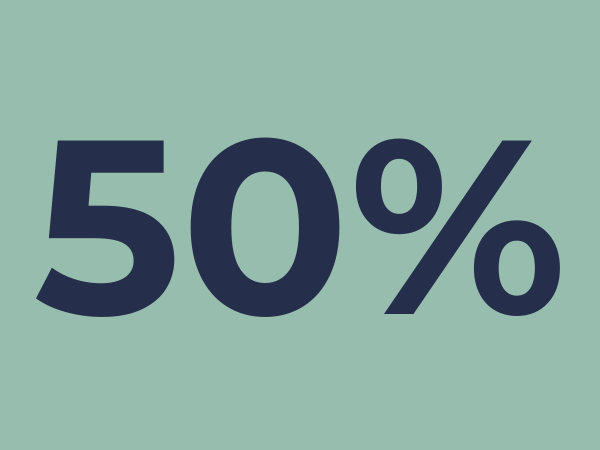
of mental health conditions begin by age 14
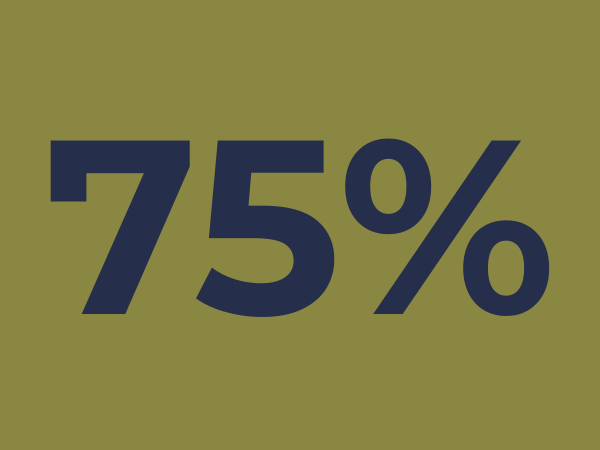
of mental health conditions begin by age 24

average delay between symptoms and treatment
Those numbers can feel heavy. But they also carry a really hopeful message: there is a window. A window where the right support can make an enormous difference.
Why Adolescence Is Such a Critical Window
The teenage brain is genuinely remarkable — and remarkably vulnerable. During adolescence, the brain is undergoing one of its most significant periods of development. Neural pathways are being formed, emotional regulation skills are being built, and a young person's sense of identity is taking shape.
This is exactly why untreated mental health challenges during this period can have such a lasting ripple effect. Anxiety that goes unaddressed can shape how a teenager relates to school, friendships, and eventually work. Depression during these years can interfere with the development of coping skills that most of us build naturally over time. These aren't small things — they're foundational.
"Early intervention doesn't just treat a symptom in the moment — it helps a young person build the tools they'll carry with them for the rest of their life."
What "Early Intervention" Actually Looks Like
When we talk about early intervention, we're not necessarily talking about waiting for a diagnosis or a crisis. We're talking about noticing, connecting, and getting support before things escalate.
This can look like a lot of different things:
A school counselor who notices a student withdrawing from friends and checks in
A parent who notices changes in sleep or appetite and starts a conversation — not an interrogation, just a conversation
A pediatrician who screens for anxiety and depression as part of a routine checkup
A teen who reaches out to a trusted adult because they know it's okay to ask for help
A first therapy session before things reach a breaking point
None of these things require a teen to be in crisis. In fact, the whole point is to act before a crisis. That's what makes early intervention so powerful.
The Long-Term Difference It Makes
Research consistently shows that young people who receive mental health support early are more likely to finish school, build healthy relationships, maintain steady employment, and report higher life satisfaction as adults. They're also less likely to experience substance use issues, chronic physical health problems, or severe mental health episodes later in life.
But honestly, the numbers only tell part of the story. The real difference is in the quality of a life. A teenager who learns how to identify their emotions and ask for help doesn't just "get better" — they grow up with a whole set of skills that will serve them in every relationship, every challenge, every hard moment they'll ever face.
That's the long game. And it starts now.
What Gets in the Way — And What We Can Do About It
If early intervention works so well, why does that 10-year gap still exist? There are a few honest answers to that.
Stigma is still very real, especially in certain communities. Many teens (and adults) still believe that needing mental health support means something is seriously wrong with them — rather than seeing it the way they'd see a physical health check-in. There's also the practical side: access to care, cost, long waitlists, and not knowing where to start can all be significant barriers.
That's why community-based services — like ours — matter so much. When support is local, accessible, and designed specifically for young people, it lowers the bar to ask for help. And lowering that bar, even a little, can change everything.
A Note for the Adults in the Room
If you're a parent, teacher, coach, or anyone who spends time with teenagers: you are often the first line of connection. You don't need to be a therapist. You don't need to have all the answers. You just need to notice, and to be the kind of person a young person feels safe coming to.
Sometimes the most powerful thing you can say is simply: "I've noticed you seem like you're carrying something heavy lately. I'm here if you want to talk."
That's it. That's early intervention too.