

Cultivating Understanding: Exploring Perceptions of Mental Health and Suicide in Agriculture
This blog post is written by Amanda Tracy, PPC, one of Cathedral Home’s incredible clinical counselors and a PhD candidate in Counselor Education and Supervision at the University of Wyoming. Her dissertation, currently in progress, explores perceptions of mental health and suicide in agriculture, focusing on how young adults raised in farming and ranching communities make sense of these issues. Born and raised in Powell, Wyoming, Amanda’s clinical work, research, and engagement with rural communities brings a combination of professional expertise and personal insight to this post.
Mental Health in the Mountain West
The Mountain West is a unique, beautiful, and rugged place to live. Growing up in northern Wyoming, driving four hours or longer to a sporting competition in a blizzard was normal, and downloading music due to inevitable drops in cellphone service was considered best practice. Always make sure you have a full tank of gas, a sleeping bag in the back of the car, extra food and water, and a snow shovel, too. These experiences weren’t framed as hardship; they were just part of life.
Over time, these everyday realities taught generations of people lessons about self-reliance, preparation, and endurance — values that still shape how folks in this region move through the world, especially when things get hard. Much of that same emphasis on self-reliance and the Western way of life has also quietly created a culture where asking for help, even amid life’s toughest moments, feels incredibly uncomfortable or shameful for many.
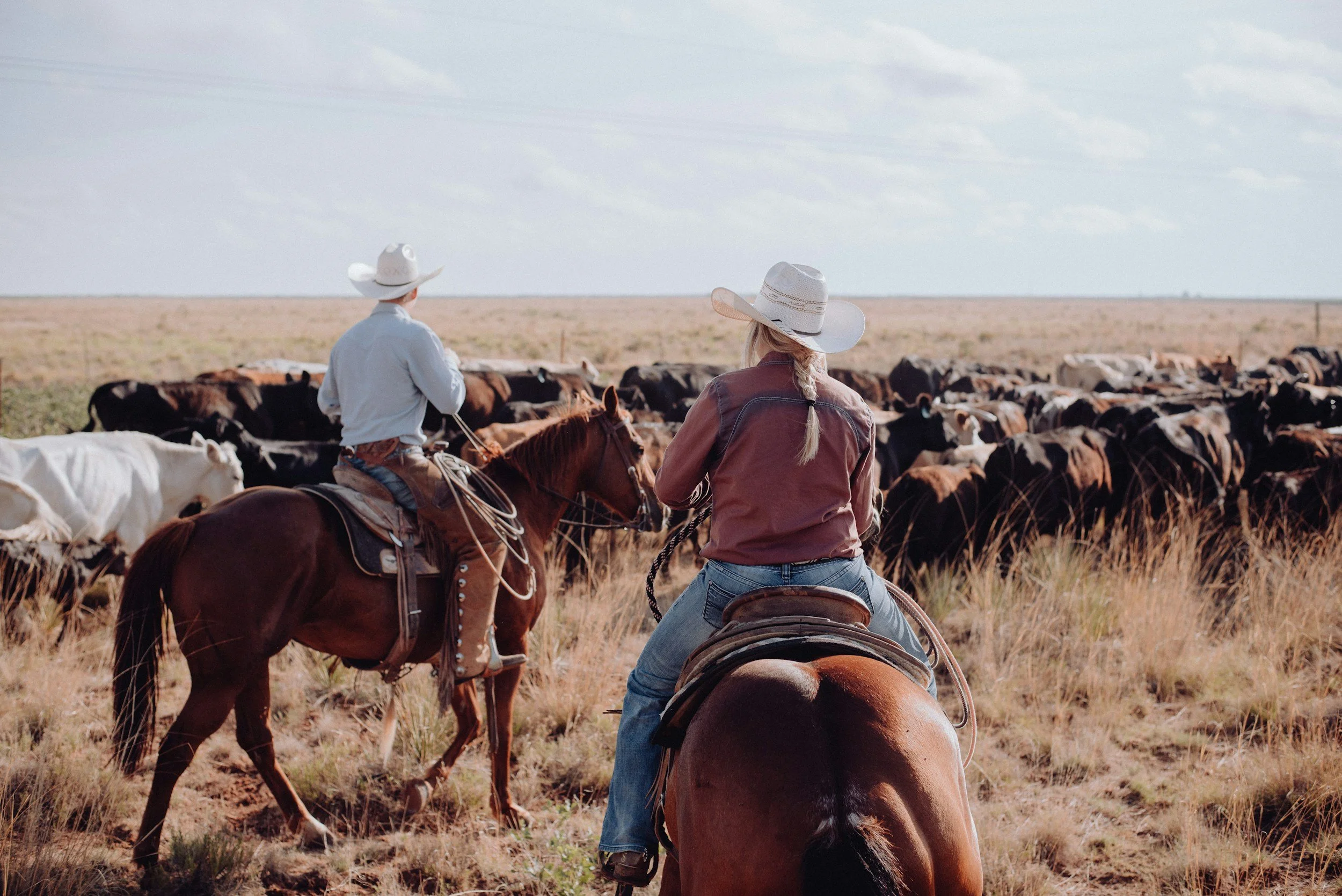
Rural states across the Mountain West consistently experience some of the highest suicide rates in the country. According to Mental Health America, Wyoming ranked 47th overall in 2025 for mental health, reflecting both a high prevalence of mental illness and limited access to care in the Cowboy State. One group particularly impacted by mental health challenges is those who work in agriculture. Folks who work in farming and ranching often juggle long hours, physical stress, family expectations, and constant uncertainty driven by weather, economic swings, and the health of crops and livestock.
These pressures are common realities of life in agriculture, shaping people to be strong and independent – but that independence can also be a double-edged sword, making it harder for those in the industry to talk openly about distress or seek support when needed.
Stress and Mental Health in Agriculture
For many agricultural producers, stress is chronic, and anxiety or depression can become normalized with an attitude of, “That’s just how it is.” Because farms and ranches aren’t just workplaces but also homes, young people raised in agriculture often internalize the expectation of being tough and figuring things out on their own, while also witnessing firsthand the emotional toll the work can take.
However, conversations about suicide and mental health in agriculture have largely focused on adults or have approached the issue through a medical or public health lens alone. What is often missing is a deeper cultural and social context of how young adults raised in agriculture make sense of mental health, suicide, and reaching out for help. How do they learn what sorts of things are okay to talk about versus what should be kept to themselves? Where do they turn when they struggle? And what kinds of support feel acceptable and useful within this context?
Insights from Research and Clinical Work
As I moved into the dissertation stage of my PhD, I found myself circling back to the same question: How do cultural and social processes shape the way young adults raised in agriculture make meaning of suicide and mental health? I encountered this question repeatedly through my clinical and academic work, and it became even more pronounced throughout our Coaches Who Care suicide prevention trainings.
In conversations with community members, a similar message kept surfacing through stories and shared experiences. When a community faces a profound loss due to suicide, people often turn toward one another for support. At the same time, many understandably struggle to know how to talk about their grief. There are unspoken rules about what is acceptable to say, who is allowed to say it, and times when silence feels safer than speaking.
These rules are rarely named, but they’re shaped by culture, history, and shared expectations. They greatly influence how people respond to the realities of grief and loss, mental health, and suicide in their own lives. The values of resilience and hard work are deeply woven into agricultural life, and for good reason – they've sustained individuals, families, and communities across generations.
However, what I’ve learned through my research process is that these same values can also make conversations about topics like suicide and mental health complicated. When strength is shown by enduring and continuing, finding language for pain can feel unfamiliar or even risky. This is not a flaw in the culture, but more of a reflection on how people have learned to survive. Understanding this context has helped me think more carefully about how conversations around suicide and mental health can be approached in ways that honor the values of agricultural life. While the research is still ongoing, the insights emerging from interviews are already shaping how I approach the work.
The results of this study will ideally help guide clinical practice, agriculture-specific suicide prevention trainings, and policy discussions; always with the goal of listening first, understanding the lived realities of agricultural communities, and translating what is learned into approaches that feel relevant, respectful, and useable. In this research, it is my hope that by grounding strategies in the values and social norms of agricultural life, we can create spaces where people feel supported, open to sharing their experiences, and connected to the help they need when life feels overwhelming.
Your Perspective Matters - Join the Study
Are you between 18 and 40? Did you grow up in a Mountain West state where your family’s primary source of income came from agriculture? Amanda is currently in the recruitment and data collection stage of her study and is looking for participants. By sharing your experiences, you can help shape research that directly influences how mental health professionals support agricultural communities and approach suicide prevention. Click here or watch the video below to learn how to get involved!