


Welcome to Cathedral Corner!
Here, we highlight issues that matter most to us—youth & family mental health, prevention, education, and advocacy—while offering a closer look at the programs and partnerships that drive our mission forward.
Cathedral Corner
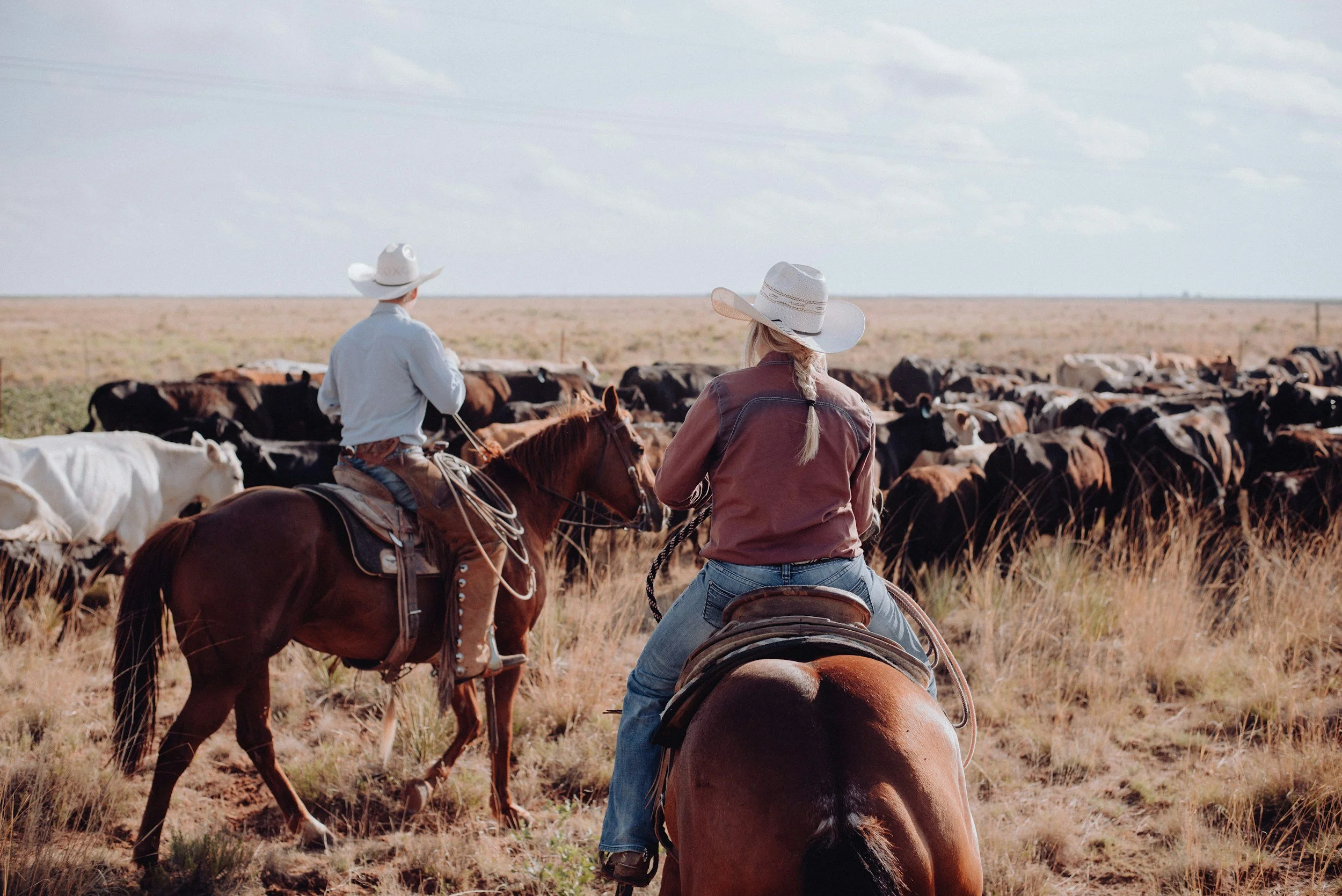
Cultivating Understanding: Exploring Perceptions of Mental Health and Suicide in Agriculture
Cathedral Home counselor Amanda Tracy, PPC, shares insights from her PhD dissertation research on perceptions of mental health and suicide in agriculture, focusing on how young adults raised in farming and ranching communities make sense of these issues.
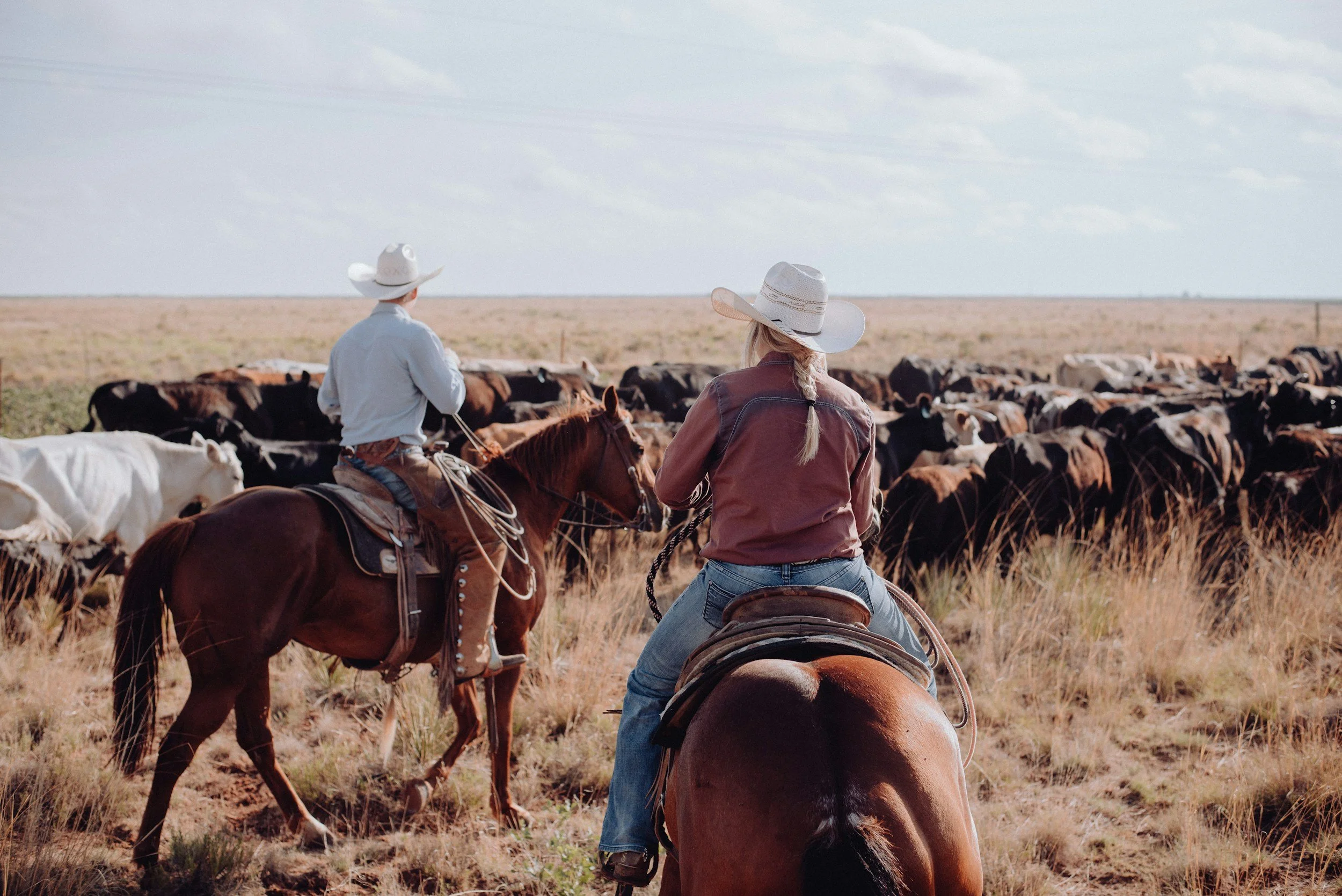
This blog post is written by Amanda Tracy, PPC, one of Cathedral Home’s incredible clinical counselors and a PhD candidate in Counselor Education and Supervision at the University of Wyoming. Her dissertation, currently in progress, explores perceptions of mental health and suicide in agriculture, focusing on how young adults raised in farming and ranching communities make sense of these issues. Born and raised in Powell, Wyoming, Amanda’s clinical work, research, and engagement with rural communities brings a combination of professional expertise and personal insight to this post.
Mental Health in the Mountain West
The Mountain West is a unique, beautiful, and rugged place to live. Growing up in northern Wyoming, driving four hours or longer to a sporting competition in a blizzard was normal, and downloading music due to inevitable drops in cellphone service was considered best practice. Always make sure you have a full tank of gas, a sleeping bag in the back of the car, extra food and water, and a snow shovel, too. These experiences weren’t framed as hardship; they were just part of life.
Over time, these everyday realities taught generations of people lessons about self-reliance, preparation, and endurance — values that still shape how folks in this region move through the world, especially when things get hard. Much of that same emphasis on self-reliance and the Western way of life has also quietly created a culture where asking for help, even amid life’s toughest moments, feels incredibly uncomfortable or shameful for many.
Rural states across the Mountain West consistently experience some of the highest suicide rates in the country. According to Mental Health America, Wyoming ranked 47th overall in 2025 for mental health, reflecting both a high prevalence of mental illness and limited access to care in the Cowboy State. One group particularly impacted by mental health challenges is those who work in agriculture. Folks who work in farming and ranching often juggle long hours, physical stress, family expectations, and constant uncertainty driven by weather, economic swings, and the health of crops and livestock.
These pressures are common realities of life in agriculture, shaping people to be strong and independent – but that independence can also be a double-edged sword, making it harder for those in the industry to talk openly about distress or seek support when needed.
Stress and Mental Health in Agriculture
For many agricultural producers, stress is chronic, and anxiety or depression can become normalized with an attitude of, “That’s just how it is.” Because farms and ranches aren’t just workplaces but also homes, young people raised in agriculture often internalize the expectation of being tough and figuring things out on their own, while also witnessing firsthand the emotional toll the work can take.
However, conversations about suicide and mental health in agriculture have largely focused on adults or have approached the issue through a medical or public health lens alone. What is often missing is a deeper cultural and social context of how young adults raised in agriculture make sense of mental health, suicide, and reaching out for help. How do they learn what sorts of things are okay to talk about versus what should be kept to themselves? Where do they turn when they struggle? And what kinds of support feel acceptable and useful within this context?
Insights from Research and Clinical Work
As I moved into the dissertation stage of my PhD, I found myself circling back to the same question: How do cultural and social processes shape the way young adults raised in agriculture make meaning of suicide and mental health? I encountered this question repeatedly through my clinical and academic work, and it became even more pronounced throughout our Coaches Who Care suicide prevention trainings.
In conversations with community members, a similar message kept surfacing through stories and shared experiences. When a community faces a profound loss due to suicide, people often turn toward one another for support. At the same time, many understandably struggle to know how to talk about their grief. There are unspoken rules about what is acceptable to say, who is allowed to say it, and times when silence feels safer than speaking.
These rules are rarely named, but they’re shaped by culture, history, and shared expectations. They greatly influence how people respond to the realities of grief and loss, mental health, and suicide in their own lives. The values of resilience and hard work are deeply woven into agricultural life, and for good reason – they've sustained individuals, families, and communities across generations.
However, what I’ve learned through my research process is that these same values can also make conversations about topics like suicide and mental health complicated. When strength is shown by enduring and continuing, finding language for pain can feel unfamiliar or even risky. This is not a flaw in the culture, but more of a reflection on how people have learned to survive. Understanding this context has helped me think more carefully about how conversations around suicide and mental health can be approached in ways that honor the values of agricultural life. While the research is still ongoing, the insights emerging from interviews are already shaping how I approach the work.
The results of this study will ideally help guide clinical practice, agriculture-specific suicide prevention trainings, and policy discussions; always with the goal of listening first, understanding the lived realities of agricultural communities, and translating what is learned into approaches that feel relevant, respectful, and useable. In this research, it is my hope that by grounding strategies in the values and social norms of agricultural life, we can create spaces where people feel supported, open to sharing their experiences, and connected to the help they need when life feels overwhelming.
Your Perspective Matters - Join the Study
Are you between 18 and 40? Did you grow up in a Mountain West state where your family’s primary source of income came from agriculture? Amanda is currently in the recruitment and data collection stage of her study and is looking for participants. By sharing your experiences, you can help shape research that directly influences how mental health professionals support agricultural communities and approach suicide prevention. Click here or watch the video below to learn how to get involved!

Beyond Awareness: Why Suicide Prevention Month is a Call to Action
At Cathedral Home, we view this month as an opportunity not only to raise awareness, but also to focus our attention on actionable solutions that improve access to care and prevention resources in our state.

September is Suicide Prevention Awareness Month: a time to recognize the urgent need to address suicide in our communities, both in Wyoming and across the U.S.
At Cathedral Home, we view this month as an opportunity not only to raise awareness, but also to focus our attention on actionable solutions that improve access to care and prevention resources in our state.
Suicide in Wyoming at a Glance
Wyoming consistently ranks near the top among states with the highest rates of suicide, number of people who experience at least one major depressive episode per year, and lowest rates of access to care. According to the 2024 Prevention Needs Assessment Survey — administered every two years to middle and high school students across the state — 14% of Wyoming students in grades 6-12 reported seriously considering suicide in the past 12 months. In some years, that percentage has been even higher.
Behind every statistic is a person—our friends, family members, classmates, neighbors, and loved ones. The reasons for Wyoming’s elevated rates are complex; geographic isolation, limited access to mental health care, prevalence of firearms, and the stigma that still surrounds seeking help all play a significant role. Though the scope of the challenge can feel overwhelming, every open conversation about mental health is a step toward progress. We believe suicide prevention must begin long before a person reaches a point of crisis. True prevention requires reshaping the way our culture approaches mental health, teaching coping and communication skills from an early age, and fostering communities that prioritize the well-being of their neighbors.
Going Beyond Awareness
Awareness campaigns are incredibly important part of suicide prevention - without understanding a problem, it's incredibly difficult to build solutions that work. But awareness isn't enough on its own.
To make measurable progress in reducing Wyoming's suicide rate, our communities need practical tools, evidence-based education, and equitable access to mental health resources.
Even with tools and training, suicide prevention is limited if individuals can't access mental health and behavioral care. In Wyoming, many people living in rural communities face a shortage of mental health providers, long waitlists, or financial and geographic barriers to care. Addressing these inequities requires investment in telehealth and internet services, sustainable funding for community-based programs, and policies that make care more affordable and geographically accessible.
Together, these components create an approach that moves beyond awareness to real, life-saving action. Awareness alone might not save a life, but paired with the right resources and support, it can.
Our Role at Cathedral Home
In the past year, CHC has launched several initiatives to strengthen mental health access and suicide prevention across Wyoming.
In May, we introduced Coaches Who Care, a suicide prevention training program that equips adults who work closely with youth to recognize warning signs, start conversations, and connect kids with support. Over three days, our clinical counselors provided free sessions for coaches, club leaders, and mentors. Participants left feeling more confident in addressing suicide directly and more aware of the resources available to protect the youth under their supervision.
In February, we rolled out the WYO Text Line, a 24/7 confidential support line offered in partnership with Crisis Text Line. This long-term resource encourages help-seeking behaviors, especially among youth, and reduces stigma around reaching out. Trained volunteer crisis counselors are available any time, whether someone is in crisis or simply needs a compassionate ear after a hard day.
Beyond these new initiatives, prevention remains a cornerstone of what we do. Through programs like our Resource Center and the Laramie Youth Crisis Center, we continue to provide youth and families with accessible, community-based care when they need it most.
Change at Every Level
Expanding mental health care and prevention services works best when there is collaboration and sustained investment between community partners, policymakers, and service providers. No single organization, school district, or agency can tackle suicide prevention alone.
We support sustainable, long-term investment at the local, state, and federal levels for services like 988 and programs that make access to mental health care more equitable for everyone. CHC leadership understands the important role policy plays in Wyoming's mental health landscape, and advocates year-round for legislation that better serves the needs of youth and families.
We also know community collaboration strengthens impact. When nonprofits, schools, healthcare providers, local businesses, and government agencies align our efforts, together we create a stronger network of prevention. Through some incredible recent partnerships—including Albany County businesses using branded merchandise to promote the WYO Text Line, and our Laramie athletic teams engaging their peers in mental health advocacy—we’re seeing how community influence can normalize conversations about suicide and mental health.
Wondering what everyday actions you as an individual can take to help create change?
Learn the warning signs of suicide and how to start hard conversations
Check in with friends, family, and neighbors frequently
Normalize conversations about mental health in your family and personal life
Support policy changes and funding that improve mental health services
We're all equipped to be helpers, no matter your role.
Suicide prevention is not the responsibility of one person, one organization, or one system—it's a collective effort. For organizations like Cathedral Home, this work means continuing to expand prevention programs, strengthen partnerships, and provide education that empowers both youth and adults. For individuals, it can look like learning the warning signs of suicide, sharing crisis resources, or checking in on a friend or loved one who may be struggling. Small actions, multiplied across communities, create meaningful change.
As we recognize Suicide Prevention Awareness Month, Cathedral Home remains committed to being part of the solution through education, advocacy, and direct support for Wyoming youth and families. We invite you to join us: advocate for equitable access to care, share available resources, and start conversations that help reduce stigma. Together, we can move beyond awareness to shape a healthier Wyoming.
If you or someone you know is in crisis, dial 988 or text WYO to 741741 for immediate support.